

Project GRAID
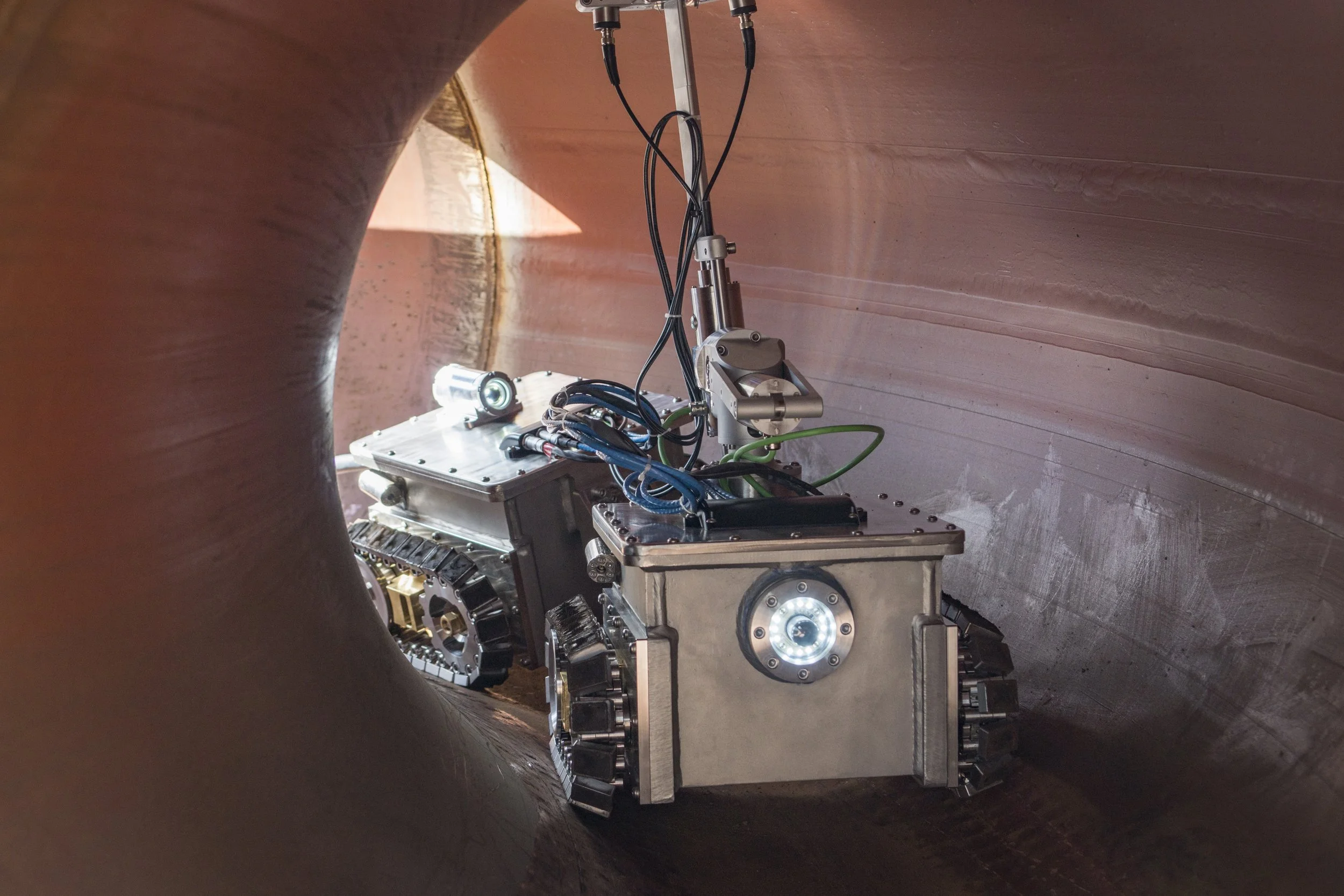
The National Transmission System was initially constructed in the 1960s, with a large number of it’s pipes being over 40-50 years old. The pipelines that comprise the NTS are generally inspected and maintained using Pipeline Inspection Gauges and cathodic protection, however, these methods leave sections of pipe within National Gas sites which can’t be inspected due to complex geometry. GRAID has been designed to navigate these complex environments while pipes remain live and gather wall thickness and integrity data using advanced electroacoustic technologies.
Project Overview
Project GRAID, undertaken in collaboration with National Gas, has been commissioned to allow for comprehensive inspection of conditions in gas transmission pipes, specifically within National Gas distribution stations. The project would allow for a significant reduction in costs for National Gas based on reduced reduction costs, data for proactive maintenance, and enabling more effective asset life extension.
What is GRAID?
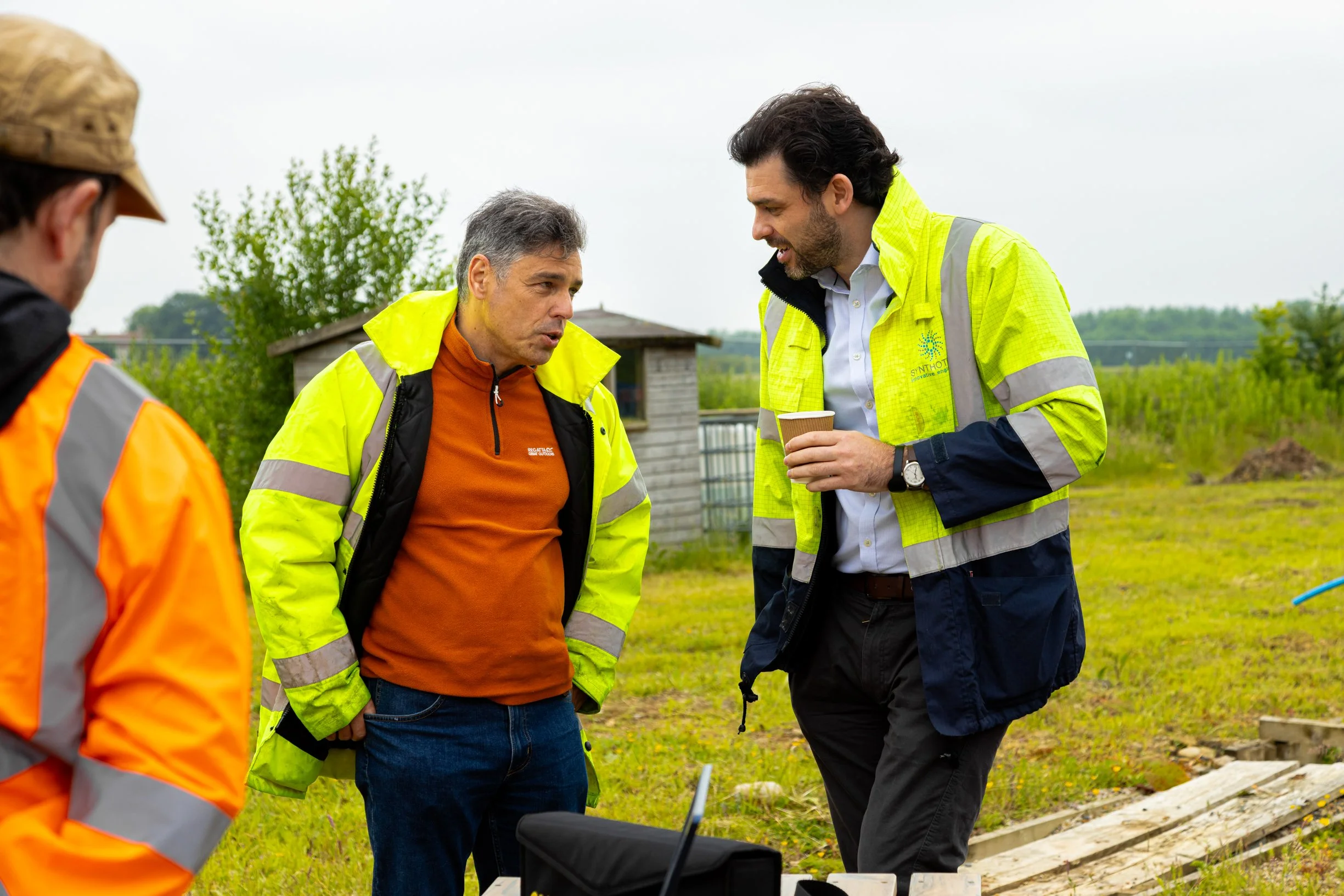
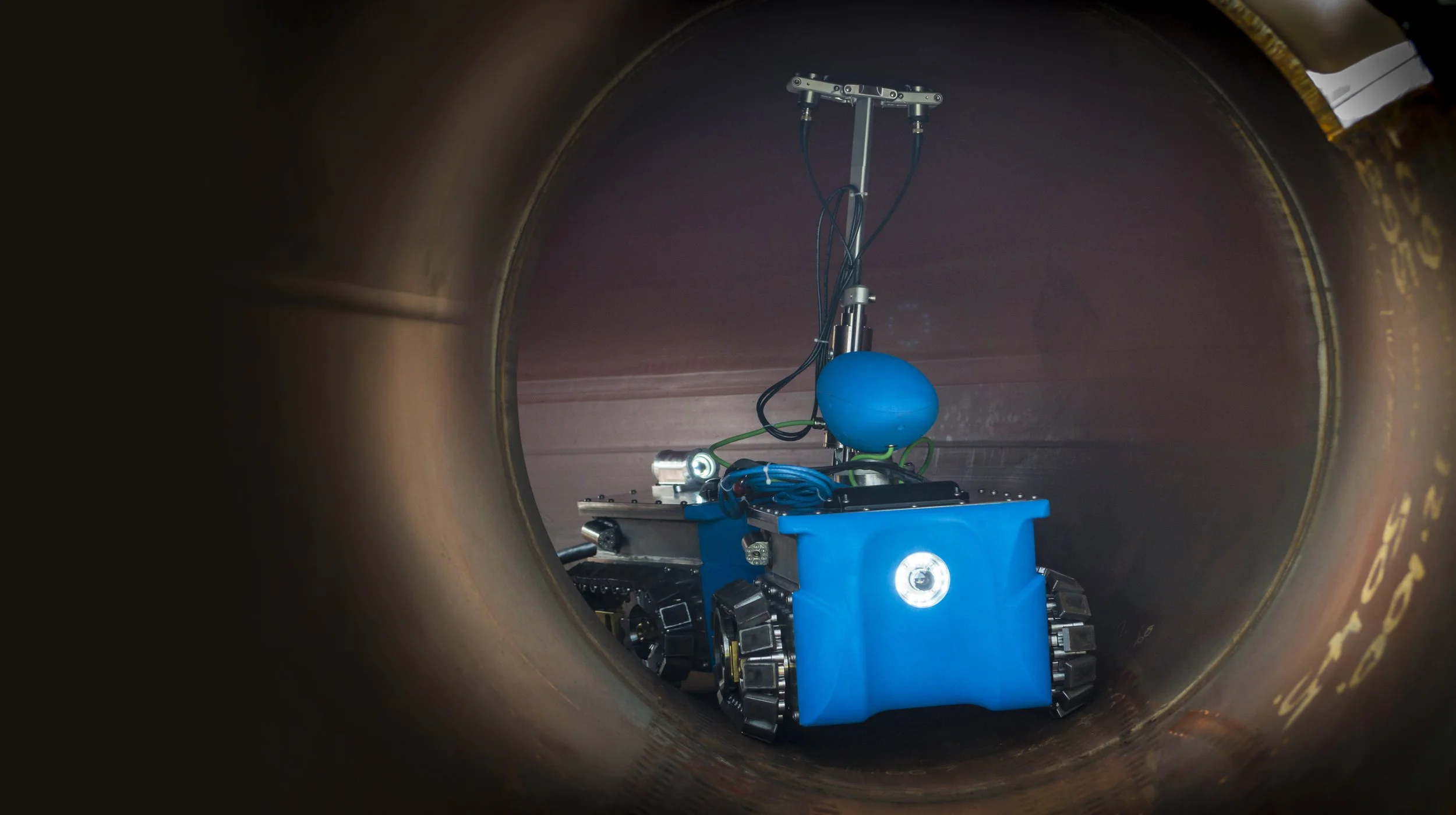
GRAID is an advanced robotic platform for the inspection of the interior condition of complex gas transmission pipe networks. The robot can withstand incredibly high pressures (Up to 96bar), allowing for insertion and inspection of transmission lines with no need for shutdown and no interruption to flow. GRAID has multiple cameras for visual inspection, but most importantly incorporates electroacoustic technology to effectively measure the thickness of pipe walls and identify defects before they become failure points.
What stage is the Project in?
GRAID is currently on hold in it’s current form. The project reached TRL 8, with field trials completed successfully and 2 successful operations completed at Pannal AGI and Bacton Terminal. The project is ready for progression to TRL 9, but has been placed on hold by National Gas for the time being. The developments we’ve made in the project are currently being incorporated into other development of pipeline robotics and high pressure camera systems.
How Does the System Work?
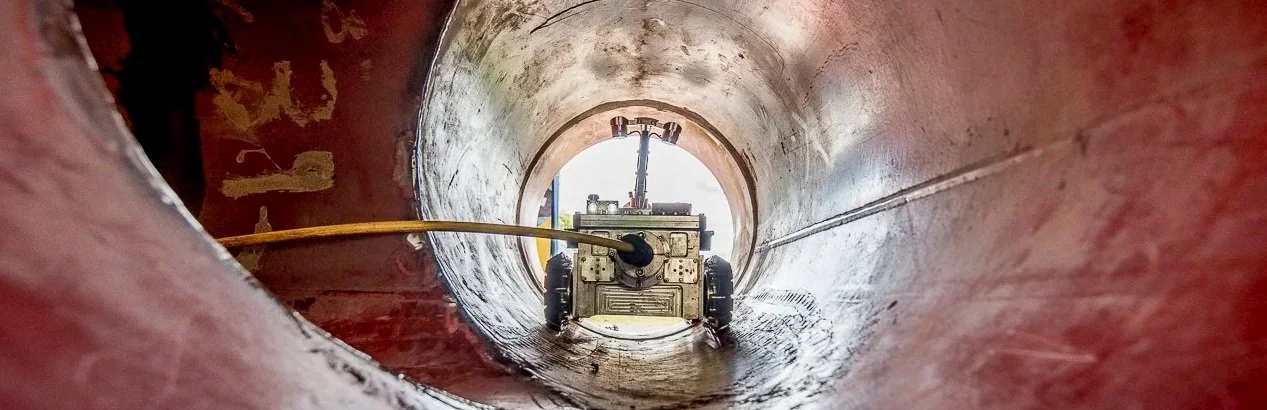
GRAID uses a magnetized track system to navigate complex pipe layouts without being affected by high pressure gas moving at up to 5m/s, and a rotating arm with highly advanced electroacoustic sensors to measure pipe wall thickness. This allows operators to identify areas of corrosion, weakness or defects without requiring excavation or visual inspection in areas where PIGs and cathodic protection can’t be used.
Looking to partner on an engineering project?
Get in touch today